Fatima Nkosi
Contributing Writer
How African designers are leading the way in eco-conscious, sustainable fashion practices using local materials.
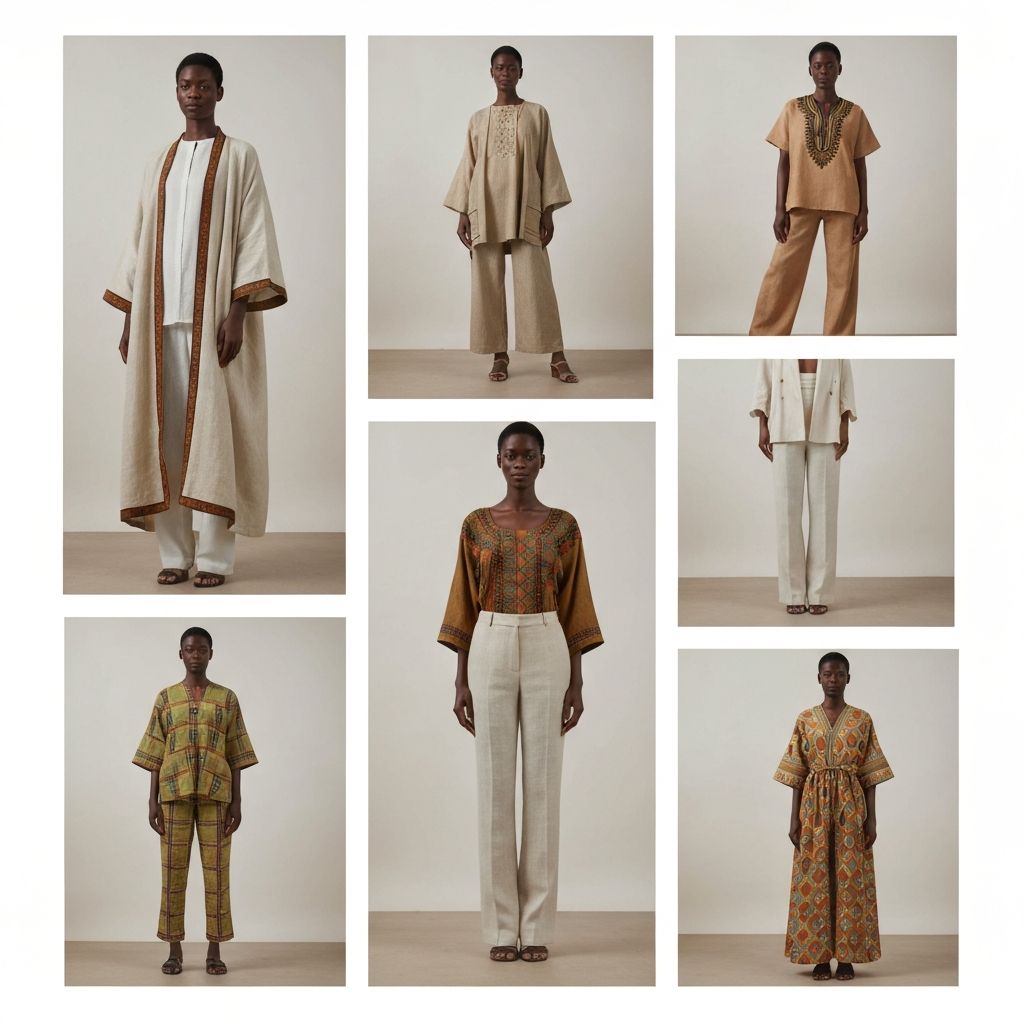
As the global fashion industry grapples with its environmental impact, African designers are offering solutions rooted in centuries of sustainable practice. From natural dyes to zero-waste production methods, the continent is emerging as a leader in eco-conscious fashion.
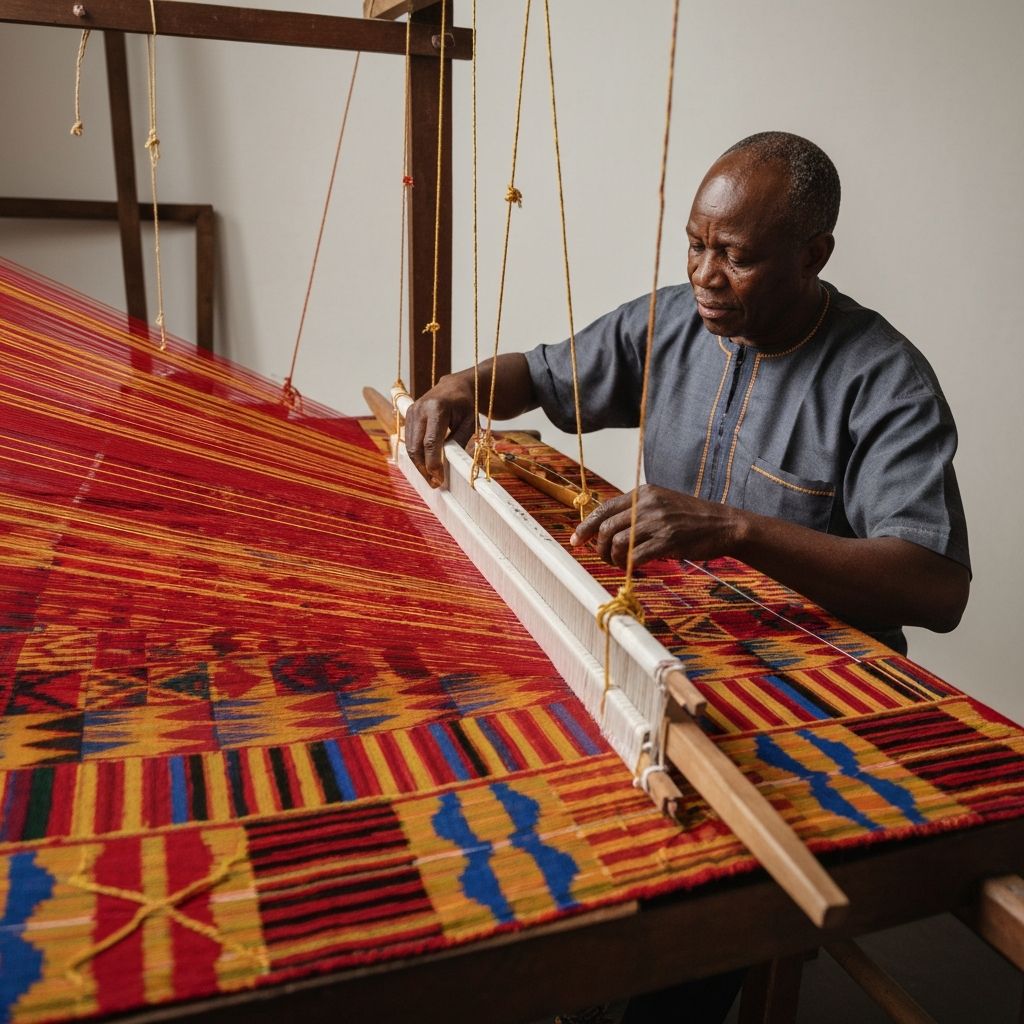
Traditional African textiles have always been sustainable by design. Kente weavers use cotton grown without pesticides. Mud cloth producers in Mali employ natural fermentation processes that create rich, lasting colors without chemical pollutants. These time-tested methods are now being recognized as cutting-edge sustainability practices.
Designers like Sindiso Khumalo from South Africa are building entire brands around sustainability principles. Her collections feature hand-painted textiles, organic cotton, and production methods that support rural artisan communities while minimizing environmental impact.
In Nigeria, Nkwo Onwuka's label Nkwo is pioneering textile recycling. She collects discarded fabric scraps from Lagos markets and transforms them into premium fashion pieces, proving that sustainability and luxury can coexist beautifully.
The rise of natural fiber innovation is particularly exciting. Designers are experimenting with banana fiber, pineapple leather, and other plant-based materials that are abundant across Africa. These innovations could transform fashion's relationship with its materials.
Perhaps most importantly, African sustainable fashion centers community impact. Many designers work directly with rural weavers and dyers, ensuring fair wages and preserving traditional skills. This holistic approach to sustainability—one that considers people as well as planet—offers a model for the global industry.