
Kwame Asante
Contributing Writer
Exploring how traditional Ghanaian weaving techniques inspire contemporary African fashion and global design movements.
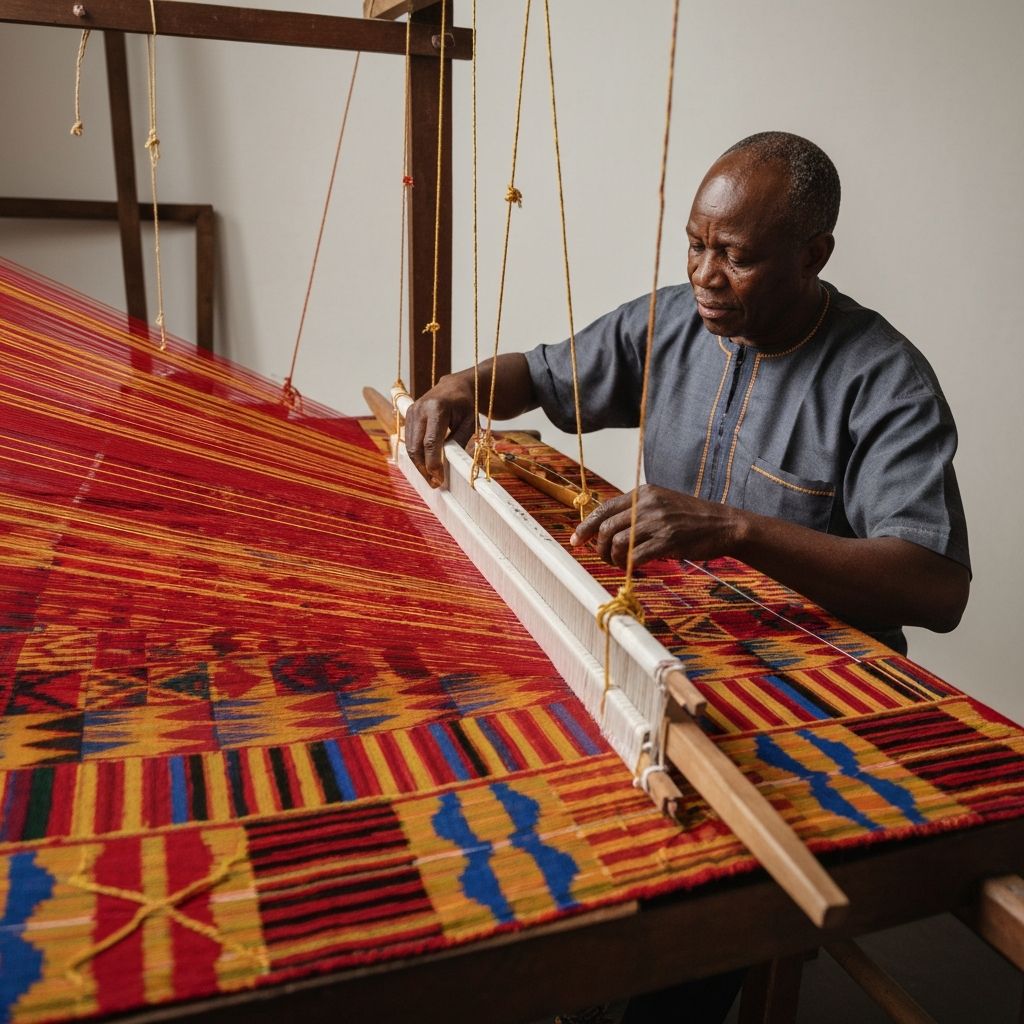
Kente cloth, with its vibrant colors and intricate geometric patterns, stands as one of Africa's most recognizable textile traditions. Originating from the Akan people of Ghana, this hand-woven fabric has transcended its ceremonial origins to become a powerful symbol of African identity and creativity on the global stage.
The art of Kente weaving dates back to the 12th century, with legend attributing its invention to two friends who learned the craft by observing a spider weaving its web. Each pattern carries deep symbolic meaning—from representations of proverbs and historical events to expressions of philosophical concepts and social values.
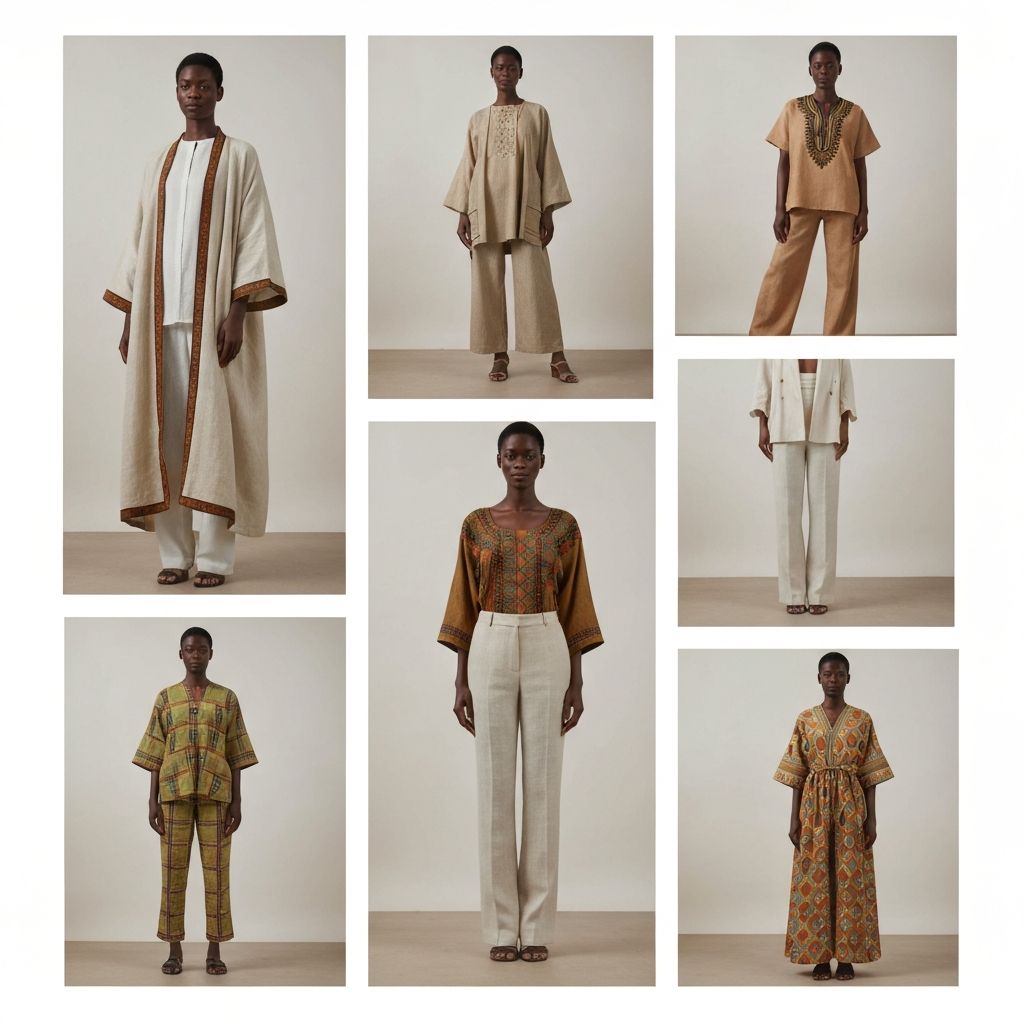
Today's designers are reimagining Kente in groundbreaking ways. Contemporary fashion houses are incorporating Kente patterns into haute couture collections, streetwear, and accessories. The geometric precision of traditional patterns translates beautifully into modern silhouettes, creating pieces that honor heritage while pushing creative boundaries.
Young Ghanaian designers like Kwesi Ntim and Afua Mensah are leading this renaissance, creating collections that pair Kente with unexpected materials like leather and denim. Their work demonstrates how traditional craftsmanship can evolve without losing its cultural essence.
The global fashion industry has taken notice. Major international brands have collaborated with African artisans to create authentic Kente-inspired collections, bringing fair-trade practices and sustainable production methods to the forefront of fashion conversations.
As we look to the future, the art of Kente weaving continues to inspire new generations of designers and craftspeople. It serves as a powerful reminder that Africa's creative traditions are not relics of the past, but living art forms that continue to shape global design narratives.